Compressed air is essential in food and beverage processing, but not all air is created equal. When air comes into contact with food, packaging, or processing surfaces, it must meet strict purity standards to prevent contamination. This is where food-grade compressed air comes in. In this article, we’ll explore what makes compressed air “food grade”, the risks of contamination, the technical requirements for air quality, and how rental compressor solutions from Dynamic Rental Solutions can support food processors in meeting regulatory and operational standards.
Understanding Food Grade Compressed Air
Food-grade compressed air refers to air that has been treated to meet specific purity standards defined by regulatory bodies such as ISO, FDA, and local health authorities. In food and beverage production, compressed air serves in several pneumatic operations. Some of these include product movement, ingredient handling, bottling, packaging, and even direct food contact applications such as air knife drying or spraying. Because compressed air is drawn from the ambient environment and then compressed, it concentrates airborne contaminants, moisture, particulates, oil vapor, and microorganisms, making filtration and treatment essential.
To become food-grade air, compressed air must be free from harmful levels of:
- Oil (liquid, aerosol, and vapor form)
- Water (liquid and vapor)
- Solid particulates
- Microorganisms
Failure to control these contaminants can result in direct food contamination, product recalls, regulatory non-compliance, and reputational damage.
ISO 8573: The International Standard
The primary standard governing compressed air quality in industrial and food settings is ISO 8573, a multi-part standard that defines air purity classes and measurement methods. The key part is ISO 8573-1, which specifies limits for:
- Solid particles (measured in microns)
- Water content (dew point)
- Oil content (aerosol + vapor)
Food processors typically aim for ISO 8573-1:2010 Class 1.2.1 or better when air is in direct contact with the product or contact surfaces:
- Class 1 (particles): ≤ 0.1 µm particles at ≤ 100 particles/m³
- Class 2 (dew point): ≤ -40°C pressure dew point (typically using desiccant dryers)
- Class 1 (oil): ≤ 0.01 mg/m³ total oil content
These classes represent extremely clean air, often requiring multi-stage filtration and drying systems.
Types of Contact and Risk Assessment
Not all compressed air in a food plant has the same risk potential. It’s crucial to perform a Hazard Analysis and Critical Control Points (HACCP) assessment to determine food-grade air requirements. The types of contact include:
- Direct contact: Air physically touches the food or ingredient (e.g., cleaning, drying, or mixing with product).
- Indirect contact: Air touches surfaces that contact food, like conveyors or packaging materials.
- Non-contact: Air serves in equipment operation or utilities (e.g., actuators) with no exposure risk.
Food-grade air is mandatory for direct and indirect contact points. Even non-contact systems require careful review, because leaks or design flaws can result in unexpected exposure.
Sources of Contamination in Compressed Air
Several contaminants can enter compressed air systems if not properly treated:
- Atmospheric Air: Ambient air contains particles, water vapor, oil aerosols (from vehicles or industrial emissions), and microorganisms.
- Compressor Itself: Oil-lubricated compressors introduce lubricating oil into the air stream. Worn seals and carry-over can be significant contamination sources.
- Compressed Air System: Rust, scale, and bacteria can develop in poorly maintained piping and tanks, especially in high-humidity conditions.
Treatment Methods for Food Grade Air
Achieving food-grade compressed air involves a multi-barrier purification system tailored to the specific ISO class requirements. The typical treatment train includes:
Filtration
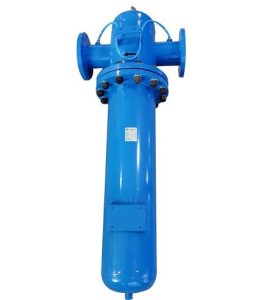
- Pre-Filters / Coalescing Filters: Remove solid particles and liquid oil/water droplets (down to 1 µm or better).
- High-Efficiency Filters: Target aerosols and finer particulates (down to 0.01 µm).
- Activated Carbon Filters: Adsorb oil vapor and odors, necessary to meet the total oil content limits in ISO Class 1.
Drying
- Refrigerated Dryers: Suitable for Class 4 dew point (-3°C). Adequate for non-contact applications.
- Desiccant Dryers: Required for Class 2 dew point (-40°C). Essential for direct or indirect contact applications where bacteria and moisture must be controlled.
Sterile or Bacterial Filters
Used as the final stage before point-of-use, these filters remove microorganisms and ensure hygienic conditions. Requires validation as well as regular steam or hot water sterilization.
Condensate Management
Collected oil-water condensate from filters and dryers must undergo proper treatment before disposal. Oil/water separators are essential to remain environmentally compliant.
Oil-Free vs Oil-Lubricated Compressors
Food applications often raise the debate between oil-free and oil-lubricated compressors.
- Oil-Free Compressors (e.g., scroll, centrifugal, or Class 0 rotary screw): No oil is used in the compression chamber. This greatly reduces contamination risk and simplifies downstream treatment. However, they can be more expensive upfront and require clean intake air to prevent bearing wear.
- Oil-Lubricated Compressors: Require multi-stage filtration to remove oil aerosols and vapors. Still viable for food applications, but the system requires careful design and maintenance.
Note: ISO 8573-1: Class 0 does not mean zero contamination; it means the lowest achievable limit and must be specified by the user.
Maintenance and Validation
Compressed air systems in food processing must be:
- Monitored regularly for dew point, pressure drops, and contamination levels.
- Tested periodically for microbial content and total oil/mist levels (using ISO 8573-7 and ISO 8573-2 testing protocols).
- Maintained through scheduled filter changes, dryer desiccant replacement, and piping inspections.
- Documented thoroughly to demonstrate compliance during audits or inspections.
A strong Preventive Maintenance Program (PMP) should be implemented, with attention to:
- Filter replacement intervals
- Dryer performance checks
- Leak detection
- Validation of sterile filter integrity
Regulatory Requirements and Industry Guidelines
Depending on your region and market, the following standards may apply:
- ISO 8573 (International)
- FDA 21 CFR (U.S. for indirect additives and GMP compliance)
- Safe Quality Food (SQF) Code
- British Compressed Air Society (BCAS) Food Grade Guidelines
- GFSI (Global Food Safety Initiative) Benchmarks
- FSSC 22000, BRCGS, and other third-party certifications
While ISO 8573 provides the air quality framework, actual compliance depends on demonstrating ongoing performance, not just system design.
Best Practices for Implementation
- Perform a Risk Assessment: Identify all points of potential food contact and assess purity level requirements.
- Design Redundancy: Use multiple filters in series to ensure fail-safe operation. Consider point-of-use filtration even if upstream systems are robust.
- Use Validated Components: Select filters and dryers with documented performance certifications for food-grade use.
- Avoid Dead Legs: Design piping to avoid stagnant zones where bacteria can grow.
- Audit and Review Regularly: Treat your air system like a food contact surface, inspect and document accordingly.
Food Grade Compressed Air Assurance at Dynamic Rental Solutions
Ensuring that compressed air systems meet food-grade standards is a critical part of food safety and regulatory compliance. If you’re evaluating your current air system or planning a compliant setup for food and beverage production, it’s important to work with providers who understand the technical and regulatory requirements. Dynamic Rental Solutions offers ISO-class rental equipment and support services to help food processors meet industry standards with confidence and precision. All our compressors are oil-free, and we have a range of accessories to suit your air processing needs. Contact us today, and we can explore our rental solutions together.