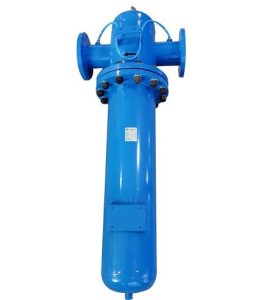

When facilities head into spring maintenance season, most of the focus is on the obvious: rotating equipment inspections, heat exchanger cleaning, instrumentation calibration, and structural repairs. Compressed air often sits in the background, which is a gamble with uptime. This article highlights how rental compressors and dryers provide dependable, flexible solutions to support maintenance projects and minimize downtime.
Why Spring Is an Important Maintenance Window?
Operating conditions in winter create unique mechanical and thermodynamic stresses that become visible during spring inspections. These stresses are not always catastrophic during winter operation, but they can damage compressors, dryers, receivers, and distribution piping. The following sections detail some of these challenges.
Thermal Cycling and Mechanical Fatigue
During cold weather, compressed air systems experience repeated expansion and contraction. Outdoor piping, aftercoolers, and condensate drains are particularly vulnerable. Over time, this leads to the gasket hardening, increased stress on welded joints, drain valve sticking or failure, and tubing brittleness. Spring inspections often reveal these issues once ambient temperatures stabilize and loads begin increasing.
Elevated Moisture Loading
Cold air contains less moisture by volume, but once compressed and reheated, the vapor concentration rises significantly. Combined with winter condensate management challenges, this places heavy demand on dryers and separators. By spring, industries are frequently plagued by rising pressure dew points, desiccant bed degradation, refrigerated dryer efficiency loss, and internal corrosion in receivers. Addressing these issues before peak summer humidity is critical to prevent moisture breakthrough.
Seasonal Production Ramp-Up
For many industries, spring marks the beginning of higher production demand. Performing maintenance before this ramp-up reduces the likelihood of in-season failures, when downtime costs are substantially higher. Spring, therefore, becomes both a technical necessity and a strategic opportunity.
Production Loss Prevention In Spring Shutdowns
The central challenge of spring maintenance planning is continuity. Shutting down the entire compressed air system for inspection may be technically ideal, but operationally unacceptable.
Downtime and Labor Costs
Compressed air typically supports multiple production lines simultaneously. A full system outage can halt packaging, disable pneumatic actuators, interrupt instrument air, and compromise process control.
Production loss extends beyond lost output. It can also include:
- Batch spoilage in process industries.
- Restart delays due to system repressurization.
- Calibration drift in instrumentation.
- Labor inefficiencies during unplanned waiting periods.
Even a short interruption may require hours of system stabilization before full throughput resumes.
Extended Spring Maintenance Windows
Spring inspections often uncover unexpected findings such as internal corrosion, separator failure, or switching valve wear in dryers. Without a temporary air supply, these discoveries can extend outages far beyond their planned duration.
Rental air systems reduce this risk by allowing maintenance teams to work without the pressure to restart immediately.
The Benefits of Using Air System Rentals During Spring Maintenance
Air system rentals, when used strategically and properly engineered, can mitigate most spring shutdown problems. The value lies not simply in supplying air, but in supplying air that meets system pressure, flow, and quality requirements.
Continuity of Air Supply During Spring Maintenance
Rental compressors can maintain full or partial plant load during isolation of the permanent equipment. This allows individual compressor servicing, dryer tower inspection, receiver tank cleaning, and main header modifications without stopping normal operations.
Air Quality Assurance
Spring humidity increases the moisture load entering compressors. Rental packages can include refrigerated or desiccant dryers to maintain the pressure dew point specifications during maintenance activities. This is especially critical in facilities where air quality directly affects product integrity.
Flexibility and Scalability
Rental systems can be for any of these three categories:
- Full-load replacement
- Supplemental capacity
- Peak shaving during high-demand shifts
This flexibility avoids oversizing permanent systems solely for maintenance contingencies.
Financial Efficiency During Spring Maintenance
From an engineering economics perspective, maintaining permanent standby compressors that remain idle most of the year is rarely financially sound. However, rentals convert this requirement into a temporary operational cost aligned with the maintenance schedule.
Operational Advantages of Rental Air Systems
When planned correctly, rentals shift maintenance from reactive to controlled. This gives multiple operational advantages to industries.
Phased Equipment Isolation
Temporary air allows engineers to isolate one component at a time. This phased approach improves maintenance quality and reduces error rates.
For example:
- One compressor can be removed from service for internal inspection
Dryer desiccant can be replaced without exposing the plant to moisture - Distribution sections can be modified or expanded
Improved Inspection Depth
Without production pressure, teams can conduct multiple maintenance operations. Inspection activities include:
- Internal vessel inspections
- Oil and separator analysis
- Heat exchanger cleaning
- Leak detection surveys
- Control system recalibration
Enhanced Safety Conditions
Maintenance activities performed under stable air supply conditions reduce the likelihood of rushed procedures. Lockout-tagout compliance, confined space entry protocols, and pressure isolation steps can be executed methodically.
Engineering Best Practices for Spring Maintenance
Most engineers, to maximize benefit, develop maintenance plans that fully address both technical scope and production goals.
Accurate Load Assessment
Temporary air systems must be sized based on real operating data rather than nameplate ratings. Undersizing introduces instability. Oversizing increases cost and inefficiency. Therefore, for load assessments, multiple variables must be evaluated.
However, most engineers assess the following critical ones:
- Peak and average SCFM demand
- Required operating pressure
- Simultaneous equipment usage
- Seasonal humidity effects
Air Quality Verification
Temporary systems must meet or exceed air quality requirements to prevent downstream complications. Before deploying rentals, required air standards should be clearly defined, including:
- Pressure dew point
- Oil carryover limits
- Particulate class
Integration Planning
Proper integration includes evaluating electrical capacity, fuel logistics, hose routing, pressure drop calculations, and environmental exposure. Temporary systems must be installed with the same engineering discipline as permanent infrastructure.
Contingency Readiness for Spring Maintenance
Spring inspections frequently uncover unexpected issues with equipment condition. Having rental air secured in advance transforms these discoveries from emergencies into manageable repair projects.
Desiccant Air Dryer Systems at Dynamic Rental Solutions
At Dynamic Rental Solutions, professional teams support facilities with engineered compressed air solutions that meet all maintenance and production requirements. A wide variety of compressors, desiccant and refrigerated dryers, and supporting filtration packages are available. Get in touch with us today for more information.