When compressed air becomes unavailable, production lines can stop, control systems may lose functionality, and safety risks can increase rapidly. Planned maintenance activities and unexpected equipment failures both create scenarios where the primary compressed air system is unavailable. This article examines the act of minimizing downtime using temporary air solutions, the engineering considerations behind successful deployments, and how DRS supports industrial facilities during maintenance events and unplanned outages.
Understanding the Impact of Compressed Air Downtime
Compressed air systems support a wide range of industrial applications, including pneumatic tools, material handling equipment, process actuators, packaging machinery, and instrument air for control systems. Unlike localized utilities, compressed air is typically distributed plant-wide, meaning that a single compressor failure can disrupt multiple processes simultaneously.
Loss of air supply affects more than production rates. Pressure instability can cause control valves to fail to return to their safe positions, moisture can enter downstream piping, and contaminants can be introduced into sensitive equipment. In regulated industries, deviations in air quality can result in product rejection or compliance violations. For these reasons, engineers must treat compressed air outages as high-impact events that require immediate, technically sound mitigation.
Temporary Air Solutions for Planned Maintenance
Planned maintenance activities such as compressor overhauls, dryer replacements, pressure vessel inspections, and piping upgrades are necessary for long-term system reliability. However, these activities often require partial or complete shutdown of the permanent compressed air system. Temporary air solutions allow maintenance to proceed while maintaining supply to critical operations.
Engineering Assessment and System Planning
Effective temporary air deployment begins with a detailed engineering assessment. Engineers must evaluate the facility’s compressed air demand profile, including average and peak airflow requirements, pressure setpoints, and duty cycles. Critical and non-critical air consumers should be identified to allocate temporary capacity efficiently.
Pressure Regulation and Control
Pressure requirements must also be evaluated carefully. Facilities may operate multiple pressure zones for different processes, requiring temporary systems to include pressure regulation and control devices that maintain stable downstream conditions. Improper pressure control can lead to process instability and equipment damage.
Air Quality Control
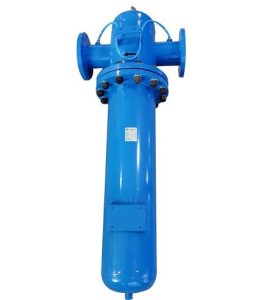
Air quality requirements remain unchanged during temporary operation. If the process requires dry, oil-free air, the temporary system must include appropriate dryers and filtration to achieve the required dew point and cleanliness levels.
Emergency Compressed Air Response for Minimizing Downtime
Unexpected failures such as mechanical breakdowns, electrical faults, or environmental impacts can result in immediate loss of compressed air. Emergency scenarios differ from planned maintenance in that there is limited time for detailed system design. The engineering priority becomes rapid stabilization of the air network while protecting downstream equipment.
Temporary air systems deployed during emergencies must be capable of fast connection and immediate operation. Skid-mounted or modular compressor systems are commonly used to reduce installation time. Engineers must still ensure that the selected equipment can sustain the required airflow and pressure under operational load, not merely restore pressure temporarily.
Dynamic Rental Solutions maintains readily available compressed air rental assets that support rapid emergency deployment. This allows facilities to restore air supply quickly while permanent repairs are planned and executed.
Key Engineering Considerations for Temporary Air Systems
Temporary compressed air deployments should be approached as complete systems rather than standalone compressors. Consideration must be given to controls, protection devices, instrumentation, and operating limits to ensure the temporary installation performs predictably under real process conditions.
Flow Capacity and Pressure Control
Temporary systems must be selected based on actual operating demand rather than nominal compressor ratings. Undersized systems can experience pressure drops during peak demand, while oversized systems may operate inefficiently or cycle excessively. Accurate airflow calculations and conservative design margins improve reliability during temporary operation.
Pressure regulation is particularly important for instrument air and precision processes. Temporary pressure control components must be capable of maintaining stable output despite load fluctuations.
Air Treatment and Moisture Control When Minimizing Downtime
Compressed air naturally contains water vapor that condenses as air cools or pressure changes. Without proper drying, moisture can accumulate in piping, damage equipment, and freeze in cold environments. Temporary air systems must include air treatment components that align with process requirements, including dryers and particulate filtration where necessary.
Integration With Existing Infrastructure
Temporary air systems must be connected carefully to existing piping networks. Connection points should minimize pressure loss and avoid creating low points where condensate can accumulate. Isolation valves, check valves, and pressure relief devices are essential to protect both temporary and permanent equipment.
Best Practices With Temporary Air Systems When Minimizing Downtime
Temporary air systems are often expected to operate continuously for extended periods, sometimes under demanding environmental and load conditions.
Reliability
Reliability begins with correct equipment selection but is sustained through proper installation, commissioning, and ongoing operational oversight. Engineers must consider duty cycles, ambient temperature effects, fuel or power stability, and maintenance intervals when evaluating temporary system reliability.
Monitoring
Continuous monitoring is a critical element of stable temporary operation. Instrumentation such as pressure gauges, differential pressure indicators across filters, dew point monitors, and flow measurement devices provides real-time visibility into system performance. These instruments allow operators to detect gradual performance degradation, such as increasing pressure drop or declining dryer efficiency, before it results in process disruption. Alarm setpoints and routine inspection schedules further enhance reliability during extended temporary operation.
Providing Redundancy When Minimizing Downtime
In critical applications, redundancy is often required to protect against secondary failures while the primary system remains offline. This may include parallel compressors sized to share load, standby units capable of automatic or manual changeover, or redundant air treatment components to prevent single points of failure. Redundancy strategies should be aligned with the criticality of the air consumers and the acceptable risk profile of the facility.
Transitioning Back to the Permanent System
Returning to the permanent compressed air system requires careful planning. Sudden load transfer can introduce pressure shocks or contamination into the restored network. Engineers should verify permanent system performance, purge temporary connections, and gradually transfer loads to ensure stable operation.
A controlled transition protects both the permanent infrastructure and the temporary equipment while ensuring an uninterrupted air supply.
Safety and Compliance Considerations When Minimizing Downtime
Temporary compressed air installations must meet applicable safety and regulatory requirements. Pressure vessels, hoses, electrical connections, and support structures must be rated appropriately for operating conditions. Noise levels, exhaust management, and access control should also be addressed to maintain a safe working environment.
From an engineering and safety perspective, temporary compressed air systems should be evaluated against several key criteria:
- Pressure-containing components rated for maximum operating pressure and temperature, including an appropriate safety margin.
- Hoses, fittings, and connections selected for abrasion resistance, mechanical protection, and secure restraint.
- Electrical systems installed in accordance with applicable codes, including grounding and protection against environmental exposure.
Clear documentation of temporary system configuration and operating limits supports safe operation and simplifies communication between maintenance, operations, and safety teams.
Role of Dynamic Rental Solutions in Minimizing Downtime
Whether supporting planned maintenance or responding to unexpected failures, these systems must be engineered with the same rigor as permanent installations. Proper sizing, air treatment, system integration, and monitoring are critical to maintaining a stable and reliable compressed air supply.
Dynamic Rental Solutions supports industrial facilities by providing engineered temporary compressed air systems that minimize downtime and protect operational continuity. By treating temporary air as a strategic engineering solution rather than a stopgap measure, facilities can reduce risk, maintain productivity, and ensure long-term system reliability. DRS technical teams can provide free consultation if you require any further information, get in touch!