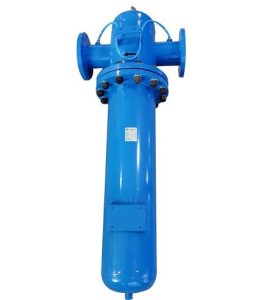

Compressed air systems are the backbone of countless industrial processes, and their efficiency is dictated not only by the compressors that generate air but also by how that air is distributed. Pneumatic manifolds are essential components that ensure compressed air reaches each point of use with the right pressure, flow, and cleanliness. By serving as centralized distribution hubs, manifolds enhance reliability, reduce system complexity, and maintain operational uptime in demanding environments. This article reviews what pneumatic manifolds are, their importance, applications, as well as performance and design considerations.
What Are Pneumatic Manifolds?
A pneumatic manifold is a precision-engineered block or assembly designed to channel compressed air from a single supply line into multiple outlet ports. Acting as a central distribution node, it eliminates the need for numerous individual pipelines, significantly simplifying system design.
From a mechanical standpoint, manifolds are typically machined with internal flow passages and fitted with standardized port connections (e.g., NPT, BSPP, or push-to-connect fittings). This construction enables modularity, flexibility, and easy integration with new or existing systems. In advanced setups, manifolds can also be paired with pressure regulators, flow controls, or even solenoid valves for automated distribution.
In addition to their structural function, manifolds also serve as balancing devices. By equalizing pressure across multiple outlets, they help prevent uneven loading on downstream devices. Engineers often model flow distribution using computational fluid dynamics (CFD) or empirical testing to confirm uniformity, particularly in high-precision environments like semiconductor fabrication or pharmaceutical packaging.
Types of Pneumatic Manifolds
Manifolds can be block-type (a single machined block with multiple ports) or modular bar-type systems, in which sections are connected in series. Block types are robust and compact, while bar manifolds allow for incremental expansion. Advanced manifolds may also incorporate monitoring points for pressure, temperature, and flow, enabling integration into IoT or SCADA systems for predictive maintenance.

In short, a pneumatic manifold is the compressed air equivalent of an electrical bus bar. This is because it has one input supplying many outputs with uniform distribution, engineered to deliver consistent, predictable performance across demanding industrial networks.
Why Efficient Air Distribution Matters
Compressed air is costly to produce, consuming up to 30% of a facility’s total energy use, so efficient distribution is critical. Poorly engineered or uneven air delivery creates significant operational risks and expenses.
Pressure drops
Pressure drops are due to undersized passages, excessive fittings, long piping runs, or poorly designed manifolds. Even a 1 psi drop can increase compressor energy consumption by ~0.5%, translating to thousands of dollars annually in a large facility. As a result, engineers analyze pressure profiles across the system using ∆P measurements to detect these inefficiencies.
Uneven airflow
Inconsistent distribution can cause tools and actuators to behave differently across stations. This leads to process variability, rejected product, or actuator timing issues, especially in synchronized equipment. Balanced manifolds help maintain equal supply pressure across all outlets.
Energy waste
Compressors cycle more frequently when they are forced to compensate for distribution losses. In some cases, plants mistakenly upsize compressors rather than address distribution issues, further increasing operating costs.
Equipment downtime
Pneumatic cylinders, control valves, and automated systems often have strict operating pressure ranges. A momentary drop below the threshold can stop production, trigger alarms, or damage sensitive process equipment.
In engineering terms, pneumatic manifolds minimize system resistance, maintain laminar flow where possible, and reduce turbulence at distribution points, thus contributing to system reliability and efficiency.
Key Applications of Pneumatic Manifolds
Across all applications, pneumatic manifolds ensure reliable air quality and consistent volume at every point of use. Different industries use manifolds to solve specific challenges:
Pneumatic Manifolds on Manufacturing Lines
Provide uniform air for tools, clamps, actuators, and robotics. Quick-disconnect fittings and outlet regulators simplify operation and adjustments.
Food & Beverage
Stainless steel manifolds deliver hygienic, oil-free air for bottling, packaging, and conveying. Designs follow FDA and EHEDG guidelines and often withstand washdown conditions.
Pharmaceuticals
Require cleanroom-ready manifolds made from electropolished stainless steel, supplying validated air to critical equipment. Monitoring points support GMP compliance.
General Industry
Workshops and warehouses use modular bar-type manifolds to power tools, lifts, and conveyors. Aluminum builds offer durability without excess weight.
Pneumatic Manifolds in Automotive Assembly
Multi-tool workstations and robotic paint sprayers rely on manifolds to maintain consistent pressure and volume, thus ensuring repeatable quality.
Electronics & Semiconductor
Precision air control is essential for wafer handling, coating, and cleanroom operations, due to the need for low-particulate manifolds with controlled flow.
Mining & Heavy Equipment
Rugged manifolds distribute air to drills, pneumatic hammers, and dust suppression systems in demanding outdoor environments.
Chemical & Petrochemical
Corrosion-resistant manifolds deliver clean air to instrumentation, valve actuation, and safety systems in harsh process conditions.
Design and Performance Considerations
Thoughtful design ensures that manifolds do more than simply split air; they become engineered components that safeguard performance, energy efficiency, and reliability across the compressed air system.
Selecting or designing a pneumatic manifold involves multiple engineering factors that directly affect system reliability and efficiency:
- Clean, Dry Air Requirement: A manifold magnifies the quality of upstream air. If moisture, oil, or particulates enter, they can deposit in manifold cavities and downstream lines. Pairing with coalescing filters, particulate filters, and dryers (refrigerated or desiccant) is essential for ISO 8573 compliance.
- Sizing & Flow Capacity: Internal bore diameter, port sizing, and flow path geometry must match system SCFM demand. Engineers calculate Cv values and pressure drop across the manifold to ensure it will not become a bottleneck. Oversizing reduces restriction but increases footprint and cost, so a proper balance is key.
- Material Selection
- Stainless steel offers superior corrosion resistance and cleanability for hygienic or harsh chemical environments.
- Aluminum provides strength at low weight and is widely used in general manufacturing.
- Polymer/nylon can be suitable for lightweight or low-cost applications with moderate pressure requirements.
- Port Configuration: The number, spacing, and orientation of ports affect installation flexibility. Engineers consider ease of connection, minimization of dead volume, and maintenance access.
- Pressure & Temperature Ratings: Manifolds must be rated for system operating conditions, typically 80–150 psi in general industry, but potentially higher in specialized applications. Moreover, temperature tolerances matter for outdoor or process-intensive environments.
- Expandability: Modular designs allow additional stations or circuits to be added without replacing the entire manifold assembly. This is critical, especially for industries expecting growth or frequent line changes.
- Monitoring Integration: Advanced manifolds may include pressure taps, flow sensors, or electronic monitoring modules, thus enabling predictive maintenance and system optimization through SCADA or IoT platforms.
Common Challenges in Air Distribution
Even the most advanced manifold system can face issues if not engineered and appropriately maintained:
- Contamination buildup: Filters rated improperly (e.g., using only a particulate filter when oil aerosols are present) can allow debris into the manifold, leading to clogging or uneven port distribution.
- Pressure losses: Undersized manifolds or too many connected devices create restrictive flow, increasing ∆P (pressure differential) across the manifold.
- Leaks and maintenance: O-ring failures, cracked fittings, or improper installation introduce leaks that waste energy. Even a small 1/16” leak can waste hundreds of SCFM annually.
Regular inspection, leak detection (using ultrasonic devices), and preventive maintenance programs are vital to keep manifolds operating at peak efficiency.
How Dynamic Rental Solutions Supports Reliable Performance of Pneumatic Manifolds
Dynamic Rental Solutions (DRS) ensures pneumatic manifolds are deployed under the most reliable conditions by delivering engineered rental packages that include:
- Oil-free compressor rentals
ISO Class 0 compressors eliminate the risk of hydrocarbon contamination at the source.
- Filter and dryer skids
Multi-stage filtration (particulate, coalescing, carbon) and advanced dryers provide dry, contaminant-free air suitable for critical operations.
- Accessory packages
Complete with manifolds, hoses, and fittings for rapid deployment, reducing setup time and complexity.
- 24/7 engineering and support
Assistance with manifold sizing, SCFM demand calculations, compliance verification, and troubleshooting ensures systems run within spec.
By combining clean air generation with engineered distribution, DRS delivers reliability that minimizes downtime and maximizes energy efficiency across industries. Get in touch today for a quick consultation.