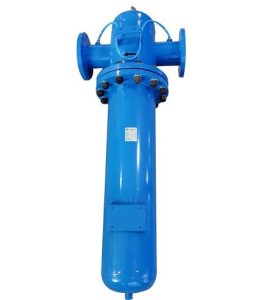

Winter air can be deceiving. Although it may feel dry, fluctuating temperatures within compressed air systems can cause water vapor to condense, leading to corrosion, contamination, and equipment failure. Without effective drying, even short periods of moisture exposure can disrupt pneumatic tools, clog valves, and compromise product quality. This article explains why refrigerated and desiccant dryers are essential for maintaining system integrity in cold weather via moisture control. Learn how Dynamic Rental Solutions provides fast, reliable, and oil-free air dryer rentals to keep plants running safely and efficiently through winter’s toughest conditions.
Why Moisture Is a Winter Threat to Compressed Air Systems
Air drawn into the compressor systems contains moisture in vapor form, even in winter. As that air is compressed, its temperature rises, allowing it to hold even more water vapor. When the air later cools, the vapor condenses into liquid water.
Here’s how this process can be potentially destructive to industrial equipment.
Temperature Swing–Driven Condensation
Compressed air systems routinely experience transitions between warm and cold environments. In winter, air may leave the compressor at elevated temperatures and quickly cool as it enters receivers, distribution headers, or piping routed through unheated spaces. When the air temperature drops below its pressure dew point, condensation forms inside the system.
Condensation commonly accumulates in:
- Air receivers and aftercoolers
- Low points in the distribution piping
- Control valves and instrument lines
Freezing, Corrosion, and Contamination Risks
Once moisture is present, several failure mechanisms emerge.
- Liquid water freezes in tubing and actuators, blocking air flow
- Corrosion attacks carbon steel piping, valves, and fittings
- Moisture transports oil aerosols and particulates into process air
In regulated industries such as food, pharmaceutical, or electronics manufacturing, even trace moisture can compromise product quality and compliance.
Moisture as a System Reliability Risk Requiring Control
Moisture does not merely reduce efficiency. It introduces unpredictable failures that can shut down entire production lines, often without warning and typically during cold start-ups.
How Air Dryers Protect Your Process
Dryers are essential year-round, but they become critical in winter when ambient temperatures frequently fall below the natural dew point of untreated compressed air. Without drying, condensation is inevitable. With effective drying, air quality remains stable regardless of external conditions.
Dew Point Control as the Primary Objective
The fundamental role of an air dryer is to reduce the pressure dew point of compressed air to a level below the coldest temperature the system will experience. Meeting this condition prevents water vapor from condensing within the air stream.
Maintaining Consistent Air Quality
Effective drying stabilizes air quality across seasonal and daily temperature fluctuations. Properly dried air protects instrumentation, prevents corrosion, and ensures consistent operation of pneumatic tools and control systems. It also stabilizes pressure and flow by eliminating water accumulation that can restrict air movement.
Winter-Specific Importance of Drying
In winter, untreated compressed air often reaches saturation well above freezing. Dryers prevent condensation from forming in lines that cool overnight or run through cold areas, thus eliminating freeze-related disruptions.
In short, air dryers preserve system reliability and process consistency when winter conditions would otherwise push systems to their limits.
Refrigerated vs. Desiccant Dryers: What’s the Difference?
Not all dryers are designed to solve the same problem. Choosing the right technology depends on the required air-dryness and the operating environment.
Refrigerated Dryers: Sensible Cooling and Condensation Removal
Refrigerated dryers operate by cooling compressed air to a low temperature, so moisture condenses into liquid water. This makes it easy to remove the water using separators and drains.
Key characteristics include:
- Typical pressure dew points around 35°F (2°C)
- Continuous operation with minimal purge loss
- Lower energy consumption compared to desiccant systems
They are well-suited for general industrial applications where air lines remain in heated indoor environments and extreme dryness is not required. Manufacturing plants, packaging operations, and mechanical workshops often rely on refrigerated dryers because they provide reliable moisture control with relatively low operating costs.
Generally, refrigerated dryers are not designed for environments where air lines are exposed to freezing temperatures. If ambient conditions drop below the dryer’s dew point, condensation can still occur downstream.
For outdoor piping or unheated spaces, additional protection or alternative drying technology is required.
Desiccant Dryers: Adsorption for Extreme Dryness
Desiccant dryers use adsorption media to remove moisture from compressed air. Instead of cooling the air, they pass it through a desiccant bed that attracts and holds water vapor. Compressed air passes through hygroscopic media that capture water vapor at the molecular level.
Engineering advantages include:
- Pressure dew points as low as -100°F
- Reliable performance in sub-zero environments
- Protection for outdoor piping and cold-weather operations
Desiccant dryers are the preferred choice for cold-weather operations, outdoor installations, and critical applications where any moisture could freeze or damage sensitive equipment. Chemical processing, pharmaceutical production, and instrument air systems commonly require this level of dryness.
The Consequences of Skipping Air Dryers in Winter
When air treatment is neglected during winter, problems tend to escalate quickly. Pneumatic lines can freeze overnight, hence halting automation systems at the start of a shift.
Moisture buildup increases pressure drops and accelerates internal corrosion, thus leading to leaks and unreliable performance. In industries that rely on clean, dry air, moisture can contaminate products and invalidate quality standards.
Imagine a packaging line freezing up because water condensed overnight in unprotected air lines. Production stops, operators wait for maintenance, and finished goods are delayed. Downtime like that can cost thousands of dollars in lost output, labor, as well as recovery time.
These scenarios are common, and they are preventable. Moisture control is not a luxury or an upgrade. In winter, it is non-negotiable for any compressed air system that supports critical operations.
Choosing the Right Dryer to Meet Moisture Control Requirements
Selecting the right air dryer starts with understanding your system’s key requirements.
Dew Point Requirements
The lowest ambient temperature in the system defines the minimum required dew point. Outdoor piping and unheated spaces typically demand desiccant drying. Systems exposed to cold or outdoor temperatures require much lower dew points than those operating entirely indoors.
Flow and Pressure Matching
Dryers must be sized to handle the maximum compressor output without excessive pressure drop. Undersized dryers restrict flow, while oversized units operate inefficiently.
System Layout and Exposure Impact on Moisture Control
Distribution length, material, and exposure to cold zones all influence dryer selection. Systems with long runs or elevation changes require additional attention. Similarly, ambient conditions and air distribution zones play a major role, as colder areas increase the risk of condensation and freezing.
DRS engineers evaluate these parameters to ensure rental equipment aligns with real operating conditions rather than nominal ratings.
How Dynamic Rental Solutions Helps Achieve Moisture Control Requirements
Dynamic Rental Solutions understands that winter does not wait for permanent upgrades or long lead times. They provide temporary air-drying systems designed to operate in winter conditions. Their approach focuses on rapid deployment, proper sizing, and system integration.
Key capabilities include:
- Oil-free compressors paired with refrigerated or desiccant dryers
- Pre-engineered, fully tested rental packages
- Fast delivery and professional setup
- 24/7 technical support for emergency conditions
Rental systems are configured to match flow rate, pressure, and dew point requirements, ensuring reliable performance without compromising existing infrastructure. Feel free to get in touch for personalized support.