
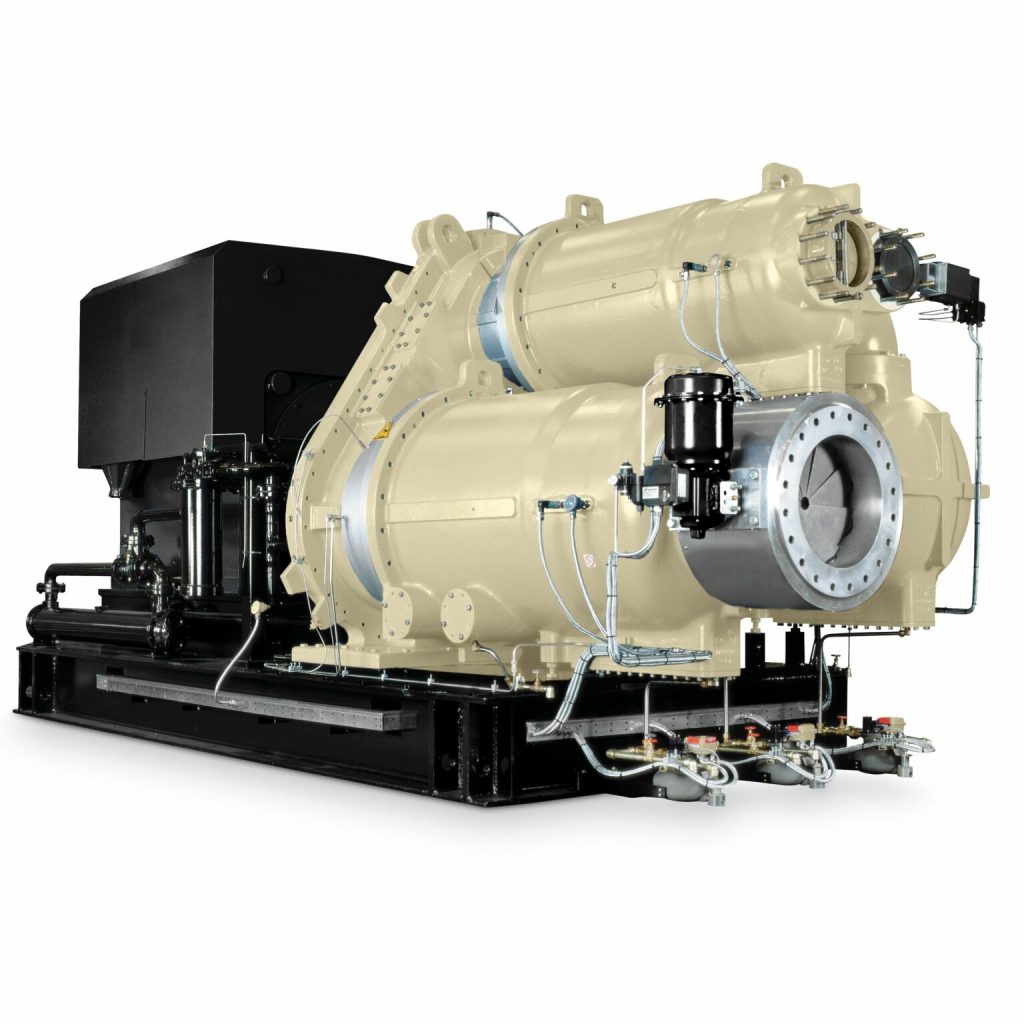
Air compressors play a crucial role in industrial applications, powering tools, machinery, and pneumatic systems. However, like any mechanical equipment, they can develop issues over time. Understanding common problems with air compressors and their troubleshooting methods helps ensure minimal downtime and maximum efficiency. This article explores key components of air compressors, common issues that arise, and step-by-step troubleshooting solutions.
Components of Air Compressors
Before troubleshooting any issues with air compressors, it is crucial to have a clear understanding of the primary components. Below are the key components, as well as the functions they perform.
Air End
The air end is the core component, responsible for compressing air and directing it into the air tank. In reciprocating compressors, pistons reduce the air’s volume, while in rotary screw compressors, intermeshing rotors perform continuous compression. The air end’s efficiency depends on its design and condition, with wear on parts like pistons or rotors affecting performance.
Motor
The motor powers the air end, converting electrical energy into mechanical energy to generate airflow. Motors can be electric (AC or DC) or powered by internal combustion engines. Motors are usually sized based on the air end’s power requirements.
Air Tank
The air tank stores compressed air, acting as a buffer between the compressor and the end-use equipment. It maintains steady pressure and also reduces the frequency of motor cycling. The size of the tank determines how much compressed air can be stored and made available for use.
Pressure Switch
The pressure switch regulates when the compressor turns on and off by monitoring the system’s air pressure. It activates the motor when the pressure falls below the set threshold and shuts it off after attaining a preset value.
Regulators and Valves
The regulator controls the output pressure to ensure it is appropriate for tools as well as systems. Valves manage the direction of airflow in line with requirements, whereas safety relief valves prevent over-pressurization.
Filters and Lubrication System
Filters remove contaminants such as dust, dirt, and moisture from incoming air, preventing internal damage.
Common Faults with Air Compressors and Troubleshooting Solutions
Air compressors are integral to many industrial applications, but like any mechanical system, they can face a variety of issues. Below are some common problems that air compressors have, and how to go about troubleshooting.
Compressor Fails to Start
Possible Causes:
- Power Supply Issues: This is often due to blown fuses, tripped breakers, or loose wiring connections. Any of these scenarios can prevent the compressor from receiving power.
- Faulty Pressure Switch: If the pressure switch is defective or fails to sense the correct air pressure in the tank, then it may prevent the motor from turning on.
- Overheating Motor: Extended periods of operation without sufficient cooling can cause the motor to overheat. Therefore, triggering automatic shutoff mechanisms to protect the system.
Troubleshooting Steps:
- Power Source Check: Verify the compressor is plugged in, and check if the circuit breaker has tripped or fuses are blown. If the breaker is tripped, reset it and check for any faults in the wiring.
- Pressure Switch Inspection: Test the pressure switch for continuity and functionality. If it is unresponsive, then replace it to restore proper operation.
- Motor Cooldown: If the motor is overheated, turn off the compressor and allow it to cool before restarting. Ensure the compressor is operating within its rated duty cycle to prevent overheating in the future. Also access the lubricant level and check for leakages, if applicable.
Insufficient Air Pressure
Possible Causes:
- Clogged Air Filter: Dirt and debris can create restriction of air movement across filters, thus, reducing the air pressure delivery.
- Air Leaks: Leaks in hoses, fittings, or even the air tank can cause a loss of pressure. This can also reduce the efficiency of the system.
- Malfunctioning Regulator/Pressure Switch: If the pressure switch is faulty, then it may not maintain the system pressure requirements.
Troubleshooting Steps:
- Air Filter Cleaning or Replacement: Inspect the air filter for dirt buildup. If it is clogged, then clean or replace it to ensure proper airflow.
- Leak Inspection: Carefully check all air hoses, fittings, and the air tank for signs of air leakage. Tighten any loose connections and replace any faulty components.
- Regulator/Pressure Switch Adjustment or Replacement: Ensure adequate adjustments to the pressure regulator to maintain the correct output pressure. If it fails to regulate, then replace it to restore proper pressure.
Excessive Noise or Vibrations
Possible Causes:
- Loose Components or Mounting Bolts: When parts of the compressor are not securely fastened, vibrations and rattling noises can occur.
- Worn-Out Bearings: Bearings in the motor or compressor pump can wear down over time, hence, leading to excessive noise and vibrations.
- Misaligned Belts: In belt-driven compressors, belts may slip or misalign, therefore, causing imbalance and additional strain on the system.
Troubleshooting Steps:
- Tighten All Bolts and Fittings: Check for any loose mounting bolts, compressor parts, or fasteners. Tighten all components to prevent vibrations.
- Bearings Inspection: Inspect the motor and pump bearings for wear. Lubricate them as necessary, and replace any bearings that show signs of damage.
- Belt Alignment Check: If your compressor is belt-driven, then check the alignment of the belts. Misaligned or worn-out belts should be realigned or replaced to reduce vibrations as well as ensure efficient operation.
Air Leaks in the System
Possible Causes:
- Worn-Out Seals or Gaskets: Over time, seals and gaskets can degrade, hence, causing air to escape from the system.
- Cracked Hoses or Fittings: Hoses and fittings can crack, especially on exposure to high pressure or wear and tear. Thereby, allowing air to leak.
- Leaky Drain Valve: The drain valve, which serves in releasing water and contaminants from the air tank, can also develop leaks over time.
Troubleshooting Steps:
- Leak Detection Using Soapy Water: Apply a soap and water mixture to all connection points, including hoses, fittings, and seals. Look for bubbles to identify the location of air leaks.
- Seal and Hose Replacement: Replace any damaged seals, gaskets, hoses, or fittings that are leaking air. Moreover, use high-quality components that match the specifications for your compressor.
- Drain Valve Tightening or Replacement: Inspect the drain valve for leakage. Tighten it if it is loose or replace it if it’s faulty.
Overheating Compressor
Possible Causes:
- Poor Ventilation or High Ambient Temperature: A lack of adequate ventilation around the compressor can cause it to overheat. High ambient temperatures also contribute to overheating, especially in continuous-duty compressors.
- Low Oil Levels (Oil-Filled Compressors): Oil serves as both a lubricant and a coolant in oil-lubricated compressors. Low oil levels can lead to overheating of moving parts.
- Excessive Runtime: Running the compressor for too long without allowing it to cool down between cycles can lead to overheating. This is especially if the compressor is not designed for continuous operation.
Troubleshooting Steps:
- Ensure Proper Ventilation: Check that the compressor is located in a well-ventilated area with sufficient airflow to dissipate heat. Avoid placing it in congested areas or near heat sources.
- Check and Refill Oil Levels: For oil-lubricated compressors, ensure the oil level is within the manufacturer’s recommended range. Top up with the appropriate type of oil if necessary.
- Follow Duty Cycle Recommendations: Make sure the compressor operates within its duty cycle limits. Allow adequate rest periods between cycles to let the compressor cool down.
Oil Contamination in Compressed Air
Possible Causes:
- Worn Piston Rings: In oil-lubricated compressors, worn piston rings may allow oil to bypass and mix with the compressed air, leading to oil contamination.
- Overfilled Oil Reservoir: An overfilled oil reservoir can result in excess oil being carried over into the compressed air.
- Faulty Air-Oil Separator: The air-oil separator separates oil from the compressed air in oil-lubricated compressors. If it fails, oil can contaminate the output air.
Troubleshooting Steps:
- Inspect Piston Rings: If oil contamination is noticeable in the compressed air, inspect the piston rings for wear. Replace worn piston rings to prevent oil bypass.
- Drain Excess Oil: Check the oil reservoir and ensure it is at the proper fill level. Drain any excess oil to avoid carryover into the air system.
- Replace Faulty Air-Oil Separator: If the air-oil separator is malfunctioning, replace it to ensure that the compressed air remains free of oil contamination.
Preventative Maintenance for Reliable Operation of Air Compressors
Regular maintenance can help prevent these issues before they lead to costly repairs. Best practices include:
- Checking and Replacing Filters: Dirty filters restrict airflow as well as increase wear on components. Replace filters regularly to maintain efficiency.
- Draining Moisture from the Air Tank: Water accumulation in the tank can lead to rust and also contamination. Drain moisture daily or use an automatic drain valve.
- Lubricating Moving Parts: Proper lubrication reduces friction and also extends the lifespan of internal components. Follow the manufacturer’s guidelines for lubrication frequency and type.
- Inspecting and Tightening Connections: Loose connections can lead to inefficiencies and air leaks. Periodically check and secure all fittings.
Reliable Solutions for Air Compressors with Dynamic Rentals
At Dynamic Rental Solutions, we deliver fast, reliable air solutions that work just as hard as you do. Whether it’s a short-term fix or a long-haul job, our fleet is locked, loaded, and ready to roll. But it’s not just about the gear—it’s about how we show up:
- 24/7 Response – Around-the-clock service means you’re never left waiting.
- No-Hassle Rentals – We keep things smooth, so you can focus on what matters: uptime, output, and keeping your crew productive.
- Rapid-Fire Support – When things go sideways, we don’t sit on it. You call—we move. That’s the DRS way.
Let’s get you what you need, when you need it—contact the DRS team today and stay one step ahead. Contact us today for more details or visit our products page to view our wide range of options to choose.


